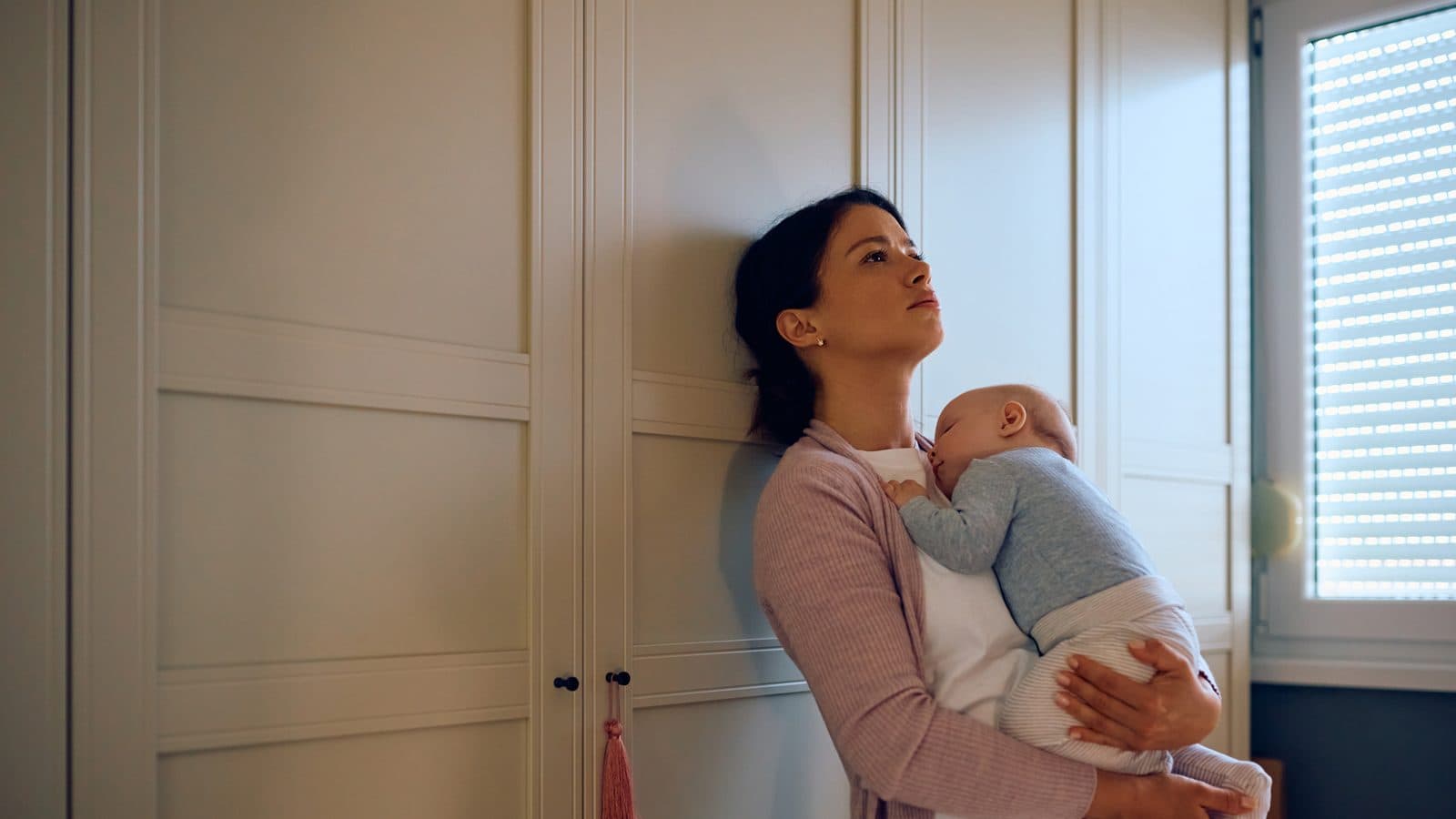
It usually starts with a doctor who was trying to help. Panic attacks were making it hard to drive, or sleep had disappeared after a loss, a trauma, or a new baby. A prescription for Xanax, Klonopin, or Ativan brought relief. Months or years later, that relief has turned into need. Benzo addiction in women often looks exactly like this, and it is not a moral failure. It is a medical condition with real, effective treatment.
If you are that woman, or you are a partner, mother, or friend who has noticed the change, this guide explains how benzodiazepine dependence develops, why stopping on your own can be dangerous, and what safe help looks like.
If you or someone you love is in crisis or thinking about suicide, call or text 988 to reach the 988 Suicide & Crisis Lifeline, available 24 hours a day. If someone is unresponsive or breathing slowly, call 911 right away.
What Is Benzo Addiction in Women?
Benzo addiction in women is a substance use disorder involving benzodiazepines, a class of sedative medications that includes alprazolam (Xanax), clonazepam (Klonopin), and lorazepam (Ativan). It means continuing to use despite harm, losing control over the amount, or needing the medication to function, often after starting with a legitimate prescription.
Benzodiazepines calm the brain by boosting a chemical messenger called GABA, which slows nerve activity. That is why they ease panic and help with sleep. It is also why the brain adapts to them. Over time, many people need the medication just to feel normal.
Two terms are worth separating:
- Physical dependence means your body has adapted and you would have withdrawal symptoms if you stopped. This can happen even when you take the medication exactly as prescribed.
- Addiction (a substance use disorder) adds compulsive use, cravings, and continued use despite consequences to that dependence.
Both deserve medical attention, and neither is something to handle alone. The U.S. Food and Drug Administration added a boxed warning to the entire benzodiazepine class in 2020, stating that these medications carry risks of misuse, addiction, physical dependence, and withdrawal reactions (FDA).
Why Are Women Prescribed Benzodiazepines So Often?
Women are prescribed benzodiazepines more often than men largely because anxiety disorders, panic disorder, insomnia, and trauma related symptoms are diagnosed more often in women. Women also visit doctors more often, which creates more chances for a prescription, and short term relief can quietly become long term use.
Many women first receive a benzo during a hard season of life:
- After a traumatic event, including abuse or assault
- During postpartum anxiety or depression
- Around grief, divorce, or caregiving stress
- For panic attacks, flying, or medical procedures
- For sleep problems that never fully resolved
Trauma is a common thread. When a nervous system has been through something overwhelming, a medication that quiets it can feel like the only safe place. That is a very human response, and it is exactly why treatment has to address the anxiety and trauma underneath, not just the pills.
What Are the Signs of Benzodiazepine Addiction?
Common signs of benzodiazepine addiction include needing a higher dose to get the same effect, running out of a prescription early, seeing more than one doctor for refills, feeling anxious or shaky between doses, and using the medication to cope with everyday stress rather than as directed. Memory gaps and daytime drowsiness are also frequent.
Other warning signs a woman or her family might notice:
- Worry or panic at the thought of missing a dose
- Taking pills from a friend or family member, or buying them online
- Drinking alcohol to "boost" the effect
- Slurred speech, poor coordination, or falls
- Pulling away from children, work, or friends
- Hiding how much she is taking
A note for families: pills bought outside a pharmacy are especially dangerous today. Counterfeit pills made to look like Xanax may contain fentanyl, which can be deadly even in tiny amounts. Keeping naloxone (Narcan) in the home is a simple, caring precaution.
Why Is Mixing Benzos With Alcohol or Opioids So Dangerous?
Mixing benzodiazepines with alcohol or opioids is dangerous because all three slow breathing and the central nervous system. Together, their effects stack, which can lead to extreme sedation, stopped breathing, coma, and death. The FDA requires its strongest warning, a boxed warning, on benzodiazepine and opioid labels because of this risk.
The FDA issued that combined warning in 2016 after reviewing the harm caused when these medications are used together. The National Institute on Drug Abuse also notes that combining prescription sedatives with alcohol or opioids sharply raises overdose risk (NIDA).
This matters for women in a specific way. Many women who struggle with benzos also drink to take the edge off, or were prescribed opioids for pain after childbirth, surgery, or an injury. A glass of wine with an evening Xanax can feel harmless. It is not. If this describes you, it is a reason to reach out now, not a reason for shame.
Is It Dangerous to Stop Taking Benzos Suddenly?
Yes. Stopping benzodiazepines suddenly after regular use can cause severe withdrawal, including rebound anxiety, insomnia, tremors, confusion, and in some cases seizures that can be life threatening. Any reduction should be planned and monitored by a medical professional who knows your full history. Never stop or change a benzo on your own.
Benzo withdrawal is different from many other substances. Symptoms can start a day or several days after the last dose, depending on the medication, and can last for weeks. Some people have lingering anxiety and sleep problems for longer. Our guide to how long detox takes for women walks through typical timelines by substance.
This is why a gradual, medically supervised taper is the standard of care. The pace depends on the specific medication, how long you have taken it, your other health conditions, and whether alcohol or other substances are involved. That plan belongs to your medical team. No article, forum, or friend can safely set it for you.
If you want to stop, the safest first step is simple: tell a doctor or a treatment program the truth about how much you are taking. That honesty protects you.
How Is Benzo Addiction Treated at Renaissance Refuge?
Benzo addiction is treated in stages: medically supervised detox to manage withdrawal safely, followed by trauma informed therapy that treats the anxiety, panic, or sleep problems behind the use. At Renaissance Refuge, women move through a full continuum of care, stepping down gradually as they grow steadier.
Here is how that continuum works:
- Medically supervised detox. In our detox program, a clinical team monitors you and manages withdrawal symptoms while your medication is reduced safely.
- Residential treatment. In residential treatment, you live on site and receive clinical care every day, typically for around 60 days. This is where the deeper work begins.
- Step down outpatient care. Next comes partial hospitalization where available (PHP, a full day of treatment while living elsewhere), then an intensive outpatient program (IOP, several hours of therapy a few days a week), then general outpatient therapy.
- Recovery residence. During the outpatient phases, many women live in a recovery residence, which is structured, supportive housing (not clinical treatment) that gives you a stable, substance free home while you rebuild routines.
Because so many women start benzos to cope with anxiety or trauma, treating that root is essential. Trauma informed care means clinicians assume that painful experiences may be part of your story and create a setting where you feel physically and emotionally safe. Therapy helps you learn new ways to calm your nervous system, manage panic, and sleep without relying on a pill. Some women may still need medication for anxiety, and your treatment team can discuss non addictive options.
Faith is part of the program as a source of strength and hope, alongside licensed clinical care, never in place of it.
Will I Lose Time With My Children If I Get Treatment?
Getting treatment is one of the most protective choices a mother can make, and most women can plan a structured, temporary absence rather than an open ended one. Admissions staff can help you think through childcare, visitation, and family involvement before you choose a start date, so you are not planning alone.
Family work is part of recovery at Renaissance Refuge. Children and partners are often carrying their own worry, and healing together helps rebuild trust at home.
How Can I Pay for Benzo Addiction Treatment?
Most health insurance plans cover substance use treatment, including detox and residential care, though benefits vary by plan. Renaissance Refuge also accepts both Idaho and Utah Medicaid. Our admissions team verifies your benefits at no cost so you know what to expect before you commit.
Coverage depends on your specific plan and medical necessity, so no one can promise coverage in advance. You can learn more on our insurance page. If you do not have coverage, SAMHSA's free, confidential National Helpline at 1-800-662-4357 can refer you to other options 24 hours a day.
Frequently Asked Questions
Can you get addicted to Xanax or Klonopin if you take it as prescribed?
Yes, physical dependence can develop even when you take a benzodiazepine exactly as prescribed, especially with daily use over weeks or months. Dependence is not the same as addiction, but both need medical guidance before any change in dose.
How do I know if my wife, daughter, or mother has a benzo problem?
Watch for running out of pills early, drowsiness or memory gaps, drinking while taking the medication, and anxiety between doses. Approach her with care rather than accusation, and encourage a medical evaluation instead of trying to take the pills away yourself.
Can I detox from benzos at home?
It is not safe to stop benzodiazepines on your own. Withdrawal can cause seizures and other serious complications, so any reduction should be planned and monitored by a medical team. Medically supervised detox is the safest place to start.
Does Renaissance Refuge accept Medicaid for benzo addiction treatment?
Yes. Renaissance Refuge accepts both Idaho and Utah Medicaid, along with many commercial insurance plans. Coverage depends on your plan, and admissions verifies your benefits at no cost before you begin.
What should I do if someone took benzos with alcohol and will not wake up?
Call 911 immediately. If opioids might be involved, give naloxone if you have it, and stay with the person until help arrives. For emotional crisis support at any time, call or text 988.